

Staking Rewards Analysis: Maximizing Your Crypto Returns
In the rapidly evolving world of cryptocurrency, investors are seeking more than just basic buying and holding strategies. With
Understanding Staking Rewards
Staking involves holding a specific amount of cryptocurrency in a wallet to support the operations of a blockchain network. In return, stakers receive rewards, similar to earning interest on a bank deposit. However, several factors influence the potential rewards from staking.
ong>Blockchain Protocols ong>: Different blockchains have varying staking mechanisms. For example, Ethereum 2.0 uses a proof-of-stake (PoS) consensus that rewards stakers based on the number of coins they hold and the duration of their staking.ong>Delegate vs. Solo Staking ong>: Staking can occur through solo efforts, where users run their own nodes, or delegated staking, where users entrust their coins to a pool. Each has its pros and cons, influencing the overall rewards and risks.ong>Market Dynamics ong>: The performance of the underlying cryptocurrency also impacts staking rewards. During market downturns, the value of rewards can decrease even if the staking percentage remains stable.
The Mechanics Behind Staking Rewards
To fully grasp staking rewards analysis, one must understand the mechanics behind how rewards are calculated. Most projects employ a system based on block production.
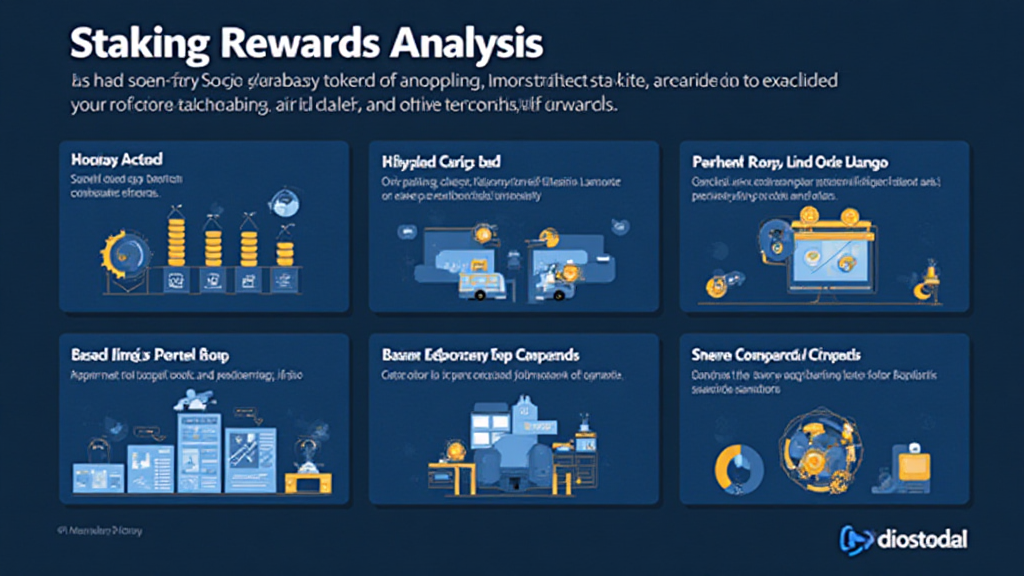
Here’s a simplified breakdown of the reward mechanism:
ong>Block Rewards ong>: When a new block is added to the blockchain, a set number of coins are created as rewards for the stakers who validated the block. This number is predefined by the project’s code.ong>Transaction Fees ong>: Alongside block rewards, stakers also earn a portion of the transaction fees accumulated during that block’s lifespan.ong>Annual Percentage Yield (APY) ong>: The staking rewards are typically expressed as an APY, representing the expected annual return based on the current staking conditions and rewards.
Factors Influencing Staking Rewards
Investors looking to maximize their staking rewards should consider various factors influencing these returns:
ong>Network Health ong>: A healthy network often indicates higher staking rewards. Monitor the network’s overall staking ratio; if too many coins are staked, your individual rewards may decrease.ong>Inflation Rate ong>: Some cryptocurrencies employ an inflation mechanism where new coins are minted to reward stakers. This can dilute the value of existing coins if not managed properly.ong>Validator Performance ong>: The efficiency of the validator you choose can greatly influence your rewards. Selecting reputable validators with a strong track record can enhance your staking experience.
Strategies for Maximizing Staking Rewards
When considering staking as an investment strategy, several techniques can help maximize your rewards:
ong>Diversification ong>: Avoid concentrating your stakes in one cryptocurrency. Diversifying across multiple staking opportunities can spread risk and optimize returns.ong>Research Validators ong>: Take the time to evaluate and choose reputable validators, as their fee structures and performance will directly impact your staking rewards.ong>Stay Informed ong>: Regularly update yourself with network changes, staking policies, and the broader market to refine your staking strategy efficiently.
Real-World Examples of Staking Projects
The cryptocurrency landscape includes various successful staking projects, exemplifying the potential of staking rewards analysis. Here are some noteworthy examples:
ong>Cardano (ADA) ong>: With its proof-of-stake mechanism, Cardano allows users to delegate their ADA to pools, earning APY ranging fromong>4% to 7% ong>, depending on the pool’s performance.ong>Polkadot (DOT) ong>: Polkadot’s unique structure incorporates multiple blockchains, offering aroundong>10% ong> APY for stakers while benefiting from cross-chain communication.ong>Tezos (XTZ) ong>: Known for its self-amending feature, Tezos stakers can earn up toong>6% ong> in rewards annually, making it a popular choice among stakers.
Vietnamese Market Insights on Staking
As the global cryptocurrency market continues to expand, Vietnam is experiencing significant growth, with a
Conclusion: Maximizing Your Staking Rewards
Staking has undeniably opened up new avenues for earning passive income with cryptocurrencies. However, success in this area relies on effective analysis and understanding of various factors influencing staking rewards, from blockchain protocols to validator performances. As you embark on your staking journey, consider diversifying your investments, researching potential validators, and keeping yourself informed about emerging trends. Whether you are a seasoned investor or new to the crypto space, adopting a strategic approach to staking rewards can significantly enhance your overall investment returns.
Remember, while staking offers various benefits, the risks must not be overlooked. Always conduct thorough research and consider your financial goals before diving into staking. Let’s maximize our crypto returns together!
For more insights on crypto investments and strategies, visit topbitcoinwallet. Stay informed and make your investments work for you!


