Introduction to Tokenomics
In 2024, the cryptocurrency landscape remains vibrant, with approximately
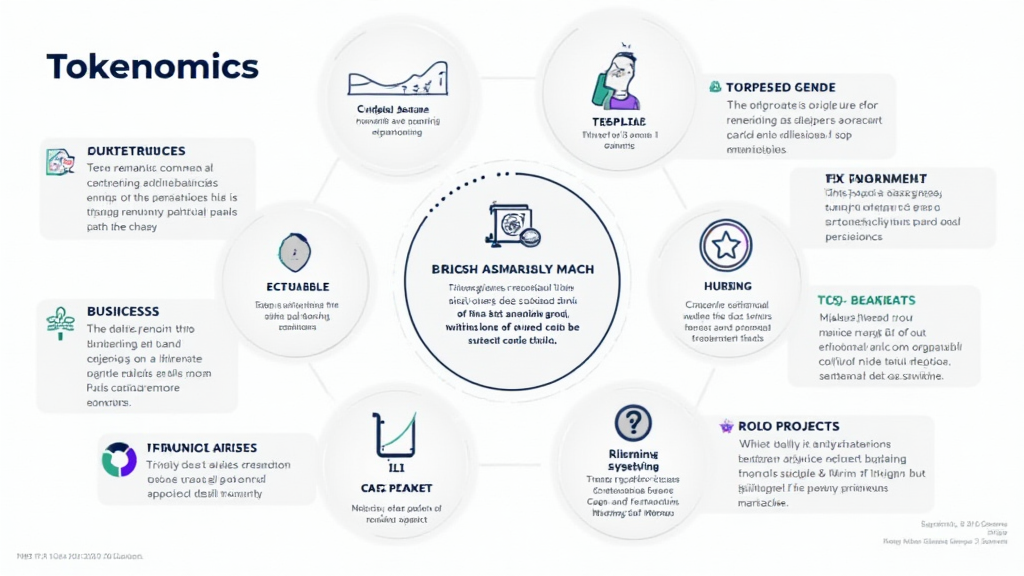
Tokenomics, which combines ‘token’ and ‘economics’, refers to the study of the economic model of tokens in a blockchain ecosystem. This includes their supply, distribution, and incentives that drive network behavior. By identifying the tokenomic structure of a crypto project, investors can better assess its long-term sustainability and growth potential.
The Importance of Tokenomics
Why does tokenomics matter? Here’s the catch: the success of any cryptocurrency often hinges on its tokenomic structure. A well-designed tokenomic model can:
- Facilitate effective governance
- Encourage user participation
- Stabilize token value over time
- Support broader adoption and innovation
For instance, a project with strong tokenomics might use its tokens to incentivize actions within the ecosystem, thus fostering a loyal user base. Conversely, poorly structured tokenomics can lead to devaluation and investor loss.
Key Components of Tokenomics
Let’s break it down into essential elements that investors should consider when conducting a tokenomics analysis:
1. Token Supply and Distribution
The total supply and the initial distribution of tokens can greatly impact a token’s value. Cryptocurrencies like Bitcoin have a fixed supply, which can create scarcity and drive demand. In contrast, projects with an unlimited supply need to carefully manage their inflation rates.
Additionally, look for transparency in how tokens are distributed. A fair distribution model can promote community trust, while disproportionate allocations can lead to centralization.
2. Economic Incentives
Tokenomics isn’t just about the numbers; it’s also about incentives. Projects should establish mechanisms that reward users for holding, staking, or using their tokens. Consider the following questions:
Effective incentives can motivate user engagement and network health. For example, staking rewards allow token holders to earn additional tokens, effectively tying their success to that of the project.
3. Governance and Utility
A robust governance model allows token holders to influence major decisions about the project’s future. Projects like Ethereum have developed decentralized governance structures enabling community voting on proposals to enhance value and functionality.
Moreover, consider whether the token has utility beyond speculation. Can it be used in transactions, access services, or participate in governance? The more utility a token has, the more demand it may generate.
4. Market Dynamics
Understanding market dynamics is crucial for any tokenomics analysis. Factors such as market trends, regulatory changes, and user sentiment can significantly affect token value. For instance, Vietnam’s crypto market is booming, with a user growth rate of approximately
Keep an eye on external factors that might influence demand, such as technological advancements or significant partnerships.
5. Case Studies in Tokenomics
Examining real-world examples of successful and failed tokenomic models can provide valuable insights. Projects like Chainlink exemplify strong fundamentals, maintaining a steady token value due to effective utility within the blockchain ecosystem.
On the other hand, analyzing projects that have struggled due to inadequate tokenomics can serve as a cautionary tale. Understanding where they went wrong can guide future investment decisions.
How to Audit Tokenomics
Conducting a thorough audit of tokenomics involves different methodologies. Investors should focus on the project’s whitepaper, examining the details of its economic model.
Here are actionable steps on how to audit:
- Assess the project’s goals and objectives.
- Evaluate token distributions provided in the whitepaper.
- Investigate the governance model and its legitimacy.
- Analyze the incentives offered to users and how they contribute to value creation.
This framework can help clarify the potential risks associated with a particular investment.
Conclusion: Invest with Confidence
As the crypto market continues to evolve, understanding tokenomics will remain a fundamental aspect of investment strategies. By effectively analyzing tokenomics in crypto projects, you can make informed decisions and optimize your investment portfolio.
In closing, always remember to conduct thorough research and consider all aspects of tokenomics before diving into any project. Projects with sound economic strategies are often better positioned for long-term success.
For comprehensive guidance on navigating the crypto landscape, visit topbitcoinwallet to stay informed on the latest trends and updates in the world of cryptocurrency.
**Author**: Dr. Alex Tanner, a blockchain economist with over 30 publications and expertise in blockchain security audits, signaling a critical understanding of economics in tech-based industries.